Saira spent eight years building a career in accounting before she decided she wanted to move into UX design. Not a small shift. Not an adjacent field with overlapping skills that translate easily on paper. A genuinely different discipline that she had been teaching herself through evenings and weekends for about a year before she felt ready to actually apply for roles.
When she sat down to write her CV for the first design role she was applying to she stared at the blank page for a long time. Eight years of accounting experience sitting on a CV that was supposed to convince a hiring manager she could design user interfaces. It felt like none of it mattered. It felt like she was starting completely from zero with nothing to show for nearly a decade of professional work.
She was wrong about that, but it took her a few months of trial and error and a complete rethinking of how to present her background before she figured out why.
I helped her through that process and what we learned together is genuinely useful for anyone making a significant career pivot, because the problem Saira had is almost universal among career changers and the solution is more achievable than it feels when you are staring at that blank page yourself.
Why Career Change CVs Feel Impossible to Write
The core problem with writing a CV for a career change is that the traditional CV format is built around a chronological story of progression within a single field. Job after job, each one a logical step forward from the last, building toward increasing seniority in a consistent direction.
A career change breaks that story completely. Your most recent and most extensive experience is in a field that has nothing to do with the role you are applying for. The chronological format that works beautifully for someone progressing within their industry actively works against someone who is changing direction, because it puts the least relevant information, your unrelated job history, in the most prominent position.
This is why career changers feel like they are starting from zero. The format itself is telling the wrong story. The skills, judgment and professional capability built over years of work in a different field are real and valuable, but a standard chronological CV does not know how to present them in a way that connects to the new direction. Understanding what a hiring manager actually does in those first crucial seconds of reading a CV makes this problem even clearer, and What Hiring Managers See When They Open Your CV That You Have No Idea About explains exactly why a poorly structured opening section costs you attention before your real value has a chance to register.
The fix is not pretending the previous career did not happen or trying to disguise it. The fix is restructuring how the CV is built so that what matters for the new direction is foregrounded and what does not matter as directly is handled differently.
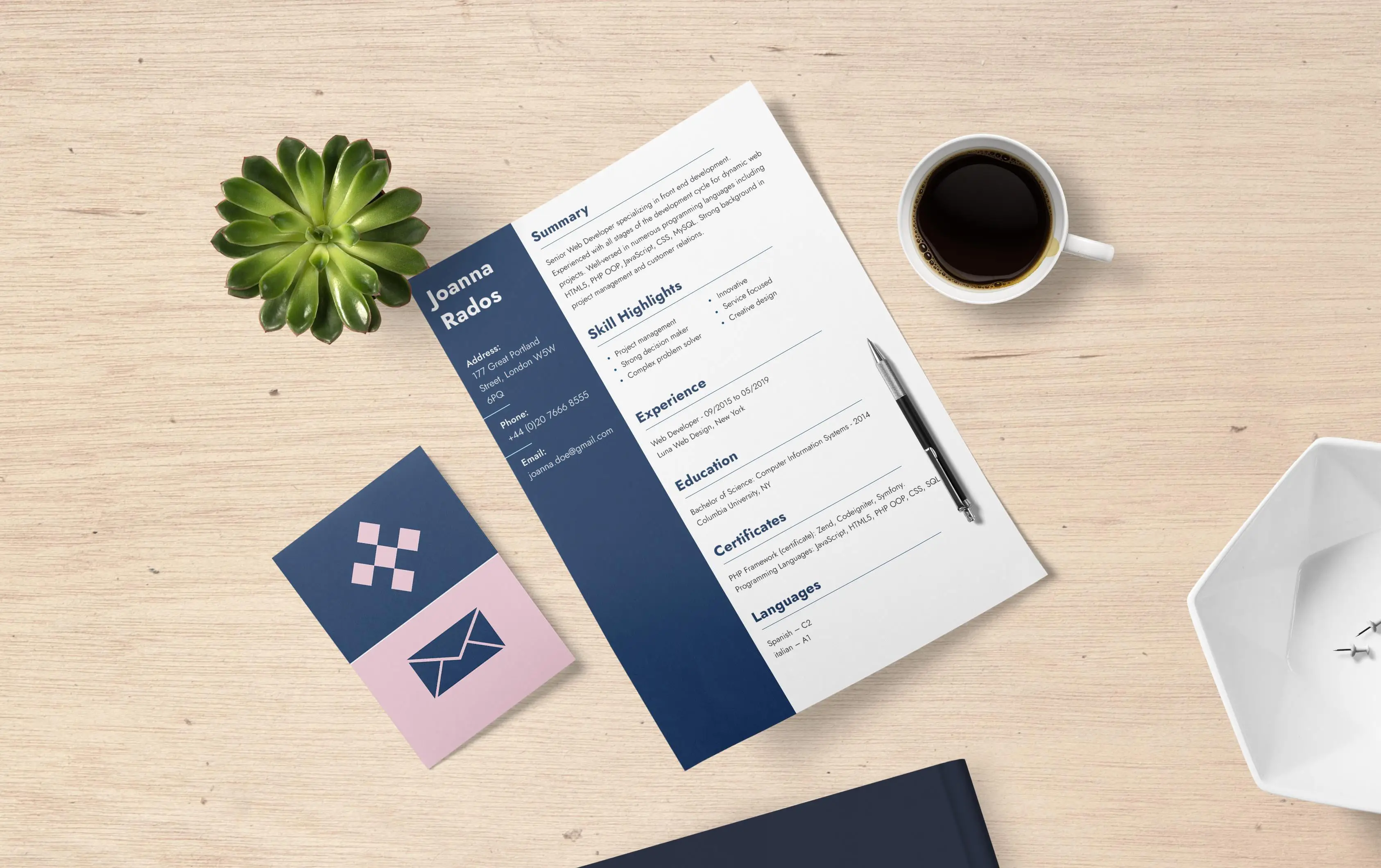
The Skills Based CV Structure That Actually Works for Career Changers
The most effective format for a career change CV is not the standard chronological structure most people default to. It is a skills based or hybrid structure that leads with relevant capabilities rather than leading with your job history in order.
This does not mean removing your work history. It means changing the order of emphasis so the document opens with what is genuinely relevant to the role you want rather than what happened first chronologically in your career.
A strong career change CV typically opens with a focused professional summary that names the new direction clearly and explains the transition briefly and confidently. Something like: UX designer with a foundation in data driven decision making built over eight years in financial analysis, now focused on applying that analytical rigor to user research and interface design. Completed a UX design certification and built three full case study projects demonstrating practical application of design thinking methodology.
That summary does several things at once. It states the new direction unambiguously. It does not apologise for the career change or frame it as a weakness. It connects the previous experience to the new field in a way that shows genuine relevance rather than just listing two unrelated careers side by side. And it immediately points to concrete evidence, the certification and the case studies, that demonstrate actual capability rather than just stated interest.
Following the summary, a skills section organised around the competencies the new role requires, with specific examples drawn from wherever in your background those skills were actually developed, whether that was the new field or the old one, gives hiring managers the information they are scanning for without forcing them to dig through an unrelated chronological history to find it.
The work history section still belongs on the CV and should not be hidden or minimised. But it can be presented more concisely, with achievement statements rewritten where genuinely possible to highlight transferable elements, while still being honest about what the role actually was. Once your CV passes the structural test, it also needs to survive automated screening, and Your CV Is Being Rejected by Software Before Any Human Sees It and Here Is How to Fix That covers the technical formatting requirements that apply just as much to a skills based career change CV as to a standard chronological one.

Finding the Transferable Skills That Are Actually There
Most career changers significantly underestimate how much of what they did in their previous field translates to the new one. The skills exist. The challenge is recognising them and then articulating them in language the new industry actually uses and values.
Saira’s accounting background, which felt completely irrelevant to design at first glance, actually contained several genuinely valuable transferable elements once we looked closely. Years of analysing data to identify patterns and present findings clearly to stakeholders who were not financial specialists themselves. Direct experience translating complex technical information into something non specialists could understand and act on. A demonstrated ability to work within structured processes while still exercising independent judgment. Significant experience managing detail heavy work under deadline pressure without losing accuracy.
None of those are design skills specifically. But every one of them is genuinely relevant to UX design, where understanding user data, communicating findings to stakeholders, working within established design systems and managing detailed work under deadline pressure are all real and valued parts of the job.
The exercise that works for finding these transferable elements is to write out, without judging yourself initially, every meaningful thing you did in your previous role. Not the job title or the formal responsibilities but the actual underlying capabilities you exercised. Communication, analysis, problem solving, persuasion, project management, client relationship management, process improvement, training others, working under pressure, managing ambiguity. Then go through that list and identify specifically how each one connects to requirements you see repeated across job listings in your target field.
This process consistently reveals more genuine relevance than people expect going in. The skills built in a previous career rarely disappear just because the job title changes. They usually just need translating into language the new field recognises.
What to Do About the Experience Gap
The honest reality of a significant career change is that you usually do have a genuine experience gap in the new field, even after identifying transferable skills properly. Saira had transferable analytical and communication skills from accounting, but she genuinely had limited hands on design experience compared to someone who had been working as a designer for several years.
Addressing this gap directly and proactively is more effective than hoping it goes unnoticed, because it will be noticed and addressing it shows self awareness and genuine commitment to the new direction.
Formal education or certification in the new field, even relatively short courses, gives concrete evidence of investment and genuine commitment rather than just casual interest. Saira’s UX certification, while not equivalent to a full degree, demonstrated structured learning and gave hiring managers something specific to reference.
Personal or volunteer projects that demonstrate practical application of the new skills are genuinely valuable on a career change CV in a way they would not be as prominent on a standard CV. The three case study projects Saira built during her transition became the centrepiece of her portfolio and her CV, because they were tangible evidence of actual capability rather than just stated aspiration.
Freelance or part time work in the new field, even at a small scale, provides genuine professional experience that strengthens the CV considerably. Several people I know who successfully changed careers took on small freelance projects in their target field specifically to build this kind of evidence before applying for full time roles. If you are weighing whether that route should lead toward full time employment or sustained freelance work in the new field, Freelance Remote Work vs Full Time Remote Job: I Tried Both and Here Is What Nobody Tells You is a useful comparison once you reach that decision point.
Volunteering skills to a nonprofit or small organisation in exchange for genuine project experience is another route that career changers underuse. A small organisation that cannot afford to hire a designer but would genuinely benefit from design help is often happy to provide a structured project in exchange for free or low cost work, and that project becomes legitimate professional experience on your CV.
How to Frame the Career Change in Your Cover Letter
The cover letter for a career change CV carries more weight than it does for a standard application, because it is where you get to explain the narrative behind the transition in a way the CV format alone cannot fully capture.
The mistake most career changers make in their cover letter is either apologising excessively for the change or failing to address it directly at all and hoping the hiring manager does not notice or does not care. Neither approach works well.
The cover letter should address the transition confidently and briefly, focus most of its content on what you bring to the new role specifically, and avoid lengthy justification or defensive explanation about why you left your previous field. One or two sentences explaining the transition is usually sufficient. The bulk of the letter should be about your relevant capability and genuine enthusiasm for the new direction, not an extended apology for your professional history.
Something like: After eight years building a career in financial analysis, I made the decision to pursue UX design because I realised the part of my work I found most engaging was translating complex data into insights that genuinely helped people make better decisions. That realisation led me to complete a UX certification and build a portfolio of design work, and I am now looking to bring the analytical discipline I built over my previous career into a design focused role.
That framing is honest, confident and forward looking. It does not dwell on the past career as a problem to be explained away. It treats it as a genuine foundation for the new direction.
Common Mistakes That Undermine Career Change CVs
Trying to hide or minimise the previous career entirely, sometimes by removing significant chunks of work history, almost always backfires. Gaps in a CV raise more questions than an honestly presented but different career history does. The previous career is not something to hide. It is something to translate properly.
Using a completely standard chronological CV format without any structural adjustment for the career change. This is the single most common mistake and it is the one that creates the feeling of starting from zero, because it puts the irrelevant information in the most prominent position on the document.
Failing to invest in any concrete evidence of capability in the new field before applying. A career change CV built entirely on stated interest and transferable skills without any tangible projects, certifications or experience in the new field is significantly weaker than one that includes even modest concrete evidence.
Overcorrecting by abandoning the previous career narrative completely and presenting yourself as a blank slate with no professional history at all. This wastes genuinely valuable experience and signals less maturity and capability than honestly connecting your full background to your new direction. If your applications are going out but you are not hearing back at all regardless of how the CV is structured, it is worth checking whether the broader issue is the search strategy itself, and Why Your Job Search Feels Stuck and the Specific Things That Actually Get It Moving Again covers the diagnostic process for figuring out which part of the process needs attention.
What Hiring Managers Actually Think When They See a Career Change CV
Understanding the perspective of the person reading a career change CV helps explain why certain approaches work better than others.
A hiring manager seeing a career change application is not automatically skeptical or dismissive. Many hiring managers genuinely value career changers because they bring perspective, maturity and transferable capabilities that candidates who have only ever worked in one field sometimes lack. What they are evaluating is whether the transition has been thought through seriously and whether there is genuine evidence of capability rather than just stated interest.
This same scrutiny carries into the interview stage once your CV gets you there, and being ready to talk clearly about the transition matters as much as how it reads on paper. The Interview Questions That Trip Everyone Up and What to Actually Say When You Hear Them covers several questions, particularly around career history and motivation, that come up constantly for career changers specifically and are worth preparing for deliberately before you get into the room.

Saira’s Outcome and What It Took
Saira’s first few applications with her restructured CV did not produce immediate results. The transition was significant enough that it took persistence and continued refinement of her portfolio and case studies before things started moving.
What eventually worked was a combination of the restructured CV that led with her relevant transferable skills and concrete design evidence, a cover letter that confidently addressed the transition without over explaining it, and continued investment in building her practical design portfolio even while applying. About four months into her structured search she received an offer from a small product company that specifically valued her analytical background combined with her design training, seeing the combination as a genuine asset rather than a compromise.
She did not start from zero. She started from eight years of genuinely transferable professional capability that simply needed to be presented in a format and language that made its relevance visible. That distinction, between actually starting from nothing and having real experience that needs proper translation, is the most important thing for anyone going through a significant career change to understand before they sit down to write their own CV.