I had read every guide I could find before my visa interview. I had my documents organised in a folder with labelled tabs. I had rehearsed answers to the questions every blog post said I would be asked. I felt as prepared as anyone reasonably could be.
Then I sat down across from the visa officer and the first question was not on any list I had prepared for. It was specific to something in my application that I had not anticipated being asked about directly. My carefully rehearsed opening line about my travel purpose became irrelevant within the first thirty seconds.
I got through it. The visa was approved. But the gap between what I had prepared for and what actually happened in that room taught me something that no amount of reading beforehand had communicated, which is that the visa interview is a fundamentally different kind of conversation than most preparation guides describe, and understanding that difference matters more than memorising a list of likely questions.
The Interview Is Not a Script You Can Fully Prepare For
Most visa interview preparation content treats the interview like a predictable exam with a known set of questions you can study in advance. Why are you visiting. What is your occupation. How will you fund your trip. These questions do come up, and being ready for them genuinely helps.
But the actual interview is more like a conversation where the officer is forming an overall impression of your application and asking whatever specific questions arise from the documents in front of them, the answers you have already given, and any inconsistencies or gaps they notice as the conversation develops. It is responsive rather than scripted, which means rigid memorised answers can actually work against you if a question comes from an unexpected angle and your prepared response does not fit.
The better preparation is understanding your own application thoroughly enough that you can answer honestly and specifically about any part of it, rather than memorising exact phrasing for a fixed list of anticipated questions. If you know your financial situation, your employment history, your travel purpose and your ties to home country deeply and honestly, you can respond naturally to whatever specific angle the officer approaches from.
What the Officer Is Actually Doing During Those Few Minutes
Understanding the officer’s actual task during the interview changes how you should think about your own performance in that room.
In most visa interview contexts, particularly for visit visas, the officer has already reviewed your application and documents before you sit down. The interview itself is often quite short, sometimes only a few minutes, and the officer is using that time to verify a handful of specific things rather than conducting a comprehensive review of your entire situation from scratch.
They are checking whether your verbal answers match what is in your written application. They are assessing whether you can speak naturally and confidently about your own situation, since hesitation or confusion when discussing your own job, your own finances or your own travel plans raises questions about whether the application reflects your genuine circumstances. And they are forming a general impression of credibility based on how you present yourself and respond, which is admittedly subjective but genuinely influences outcomes.
This means the interview is less about delivering a perfect performance and more about being consistent, calm and genuinely knowledgeable about your own application. If you understand your finances, your job, your travel plans and your reasons for returning home well enough to discuss them naturally, the specific questions asked matter less than your overall coherence and consistency.
The Questions That Actually Catch People Off Guard
Beyond the standard questions that most preparation guides cover well, there are categories of questions that come up regularly and that catch people off guard specifically because they are not the obvious ones.
Questions about specific details in your financial documents that the officer has clearly reviewed closely. If there is an unusual transaction, a large deposit close to your application date, or an inconsistency between your stated income and your bank statement pattern, expect a direct question about it. Being able to explain it clearly and honestly, ideally with documentation you can reference, matters more than being surprised that the question came up at all.
Questions that test consistency across different parts of your application rather than asking about any single section in isolation. An officer might ask about your job, then later ask something about your travel dates that only makes sense if your job answer was accurate, essentially cross referencing your verbal answers against each other. Genuine consistency, which comes from a genuinely accurate application rather than a memorised one, handles this naturally.
Questions about your specific itinerary details for travel visas, sometimes more detailed than people expect. Where exactly will you stay each night, how will you get from one city to another, what specifically will you be doing on particular days. If your travel plans are genuinely vague at the point of application this can be a difficult moment, which is part of why having a reasonably specific itinerary prepared, even if some details remain flexible, genuinely helps.
Questions about your relationship to people you are visiting or being sponsored by, sometimes including questions that test the depth of the relationship rather than just its existence. Officers have seen applications where claimed relationships are exaggerated or fabricated, and specific follow up questions about shared history, communication patterns or how the relationship developed are sometimes used to assess genuineness.
How to Handle a Question You Were Not Expecting
The instinct when caught off guard by an unexpected question is often to pause for a long time, give a vague answer, or attempt to redirect to something you had prepared for instead. All three of these responses tend to make a worse impression than a direct, honest, even imperfect answer to the actual question asked.
The better approach when genuinely surprised by a question is to take a brief moment to think, which is completely normal and not a sign of weakness, and then answer the actual question as specifically and honestly as you can based on what you genuinely know and remember about your own situation.
If you genuinely do not know or do not remember a specific detail, saying so honestly is far better than guessing or making something up that might not be consistent with your documents. Something like I do not have that exact figure memorised but I can tell you it is documented in the bank statement I have provided is a perfectly reasonable and honest response that does not damage your credibility the way an inconsistent guess would.
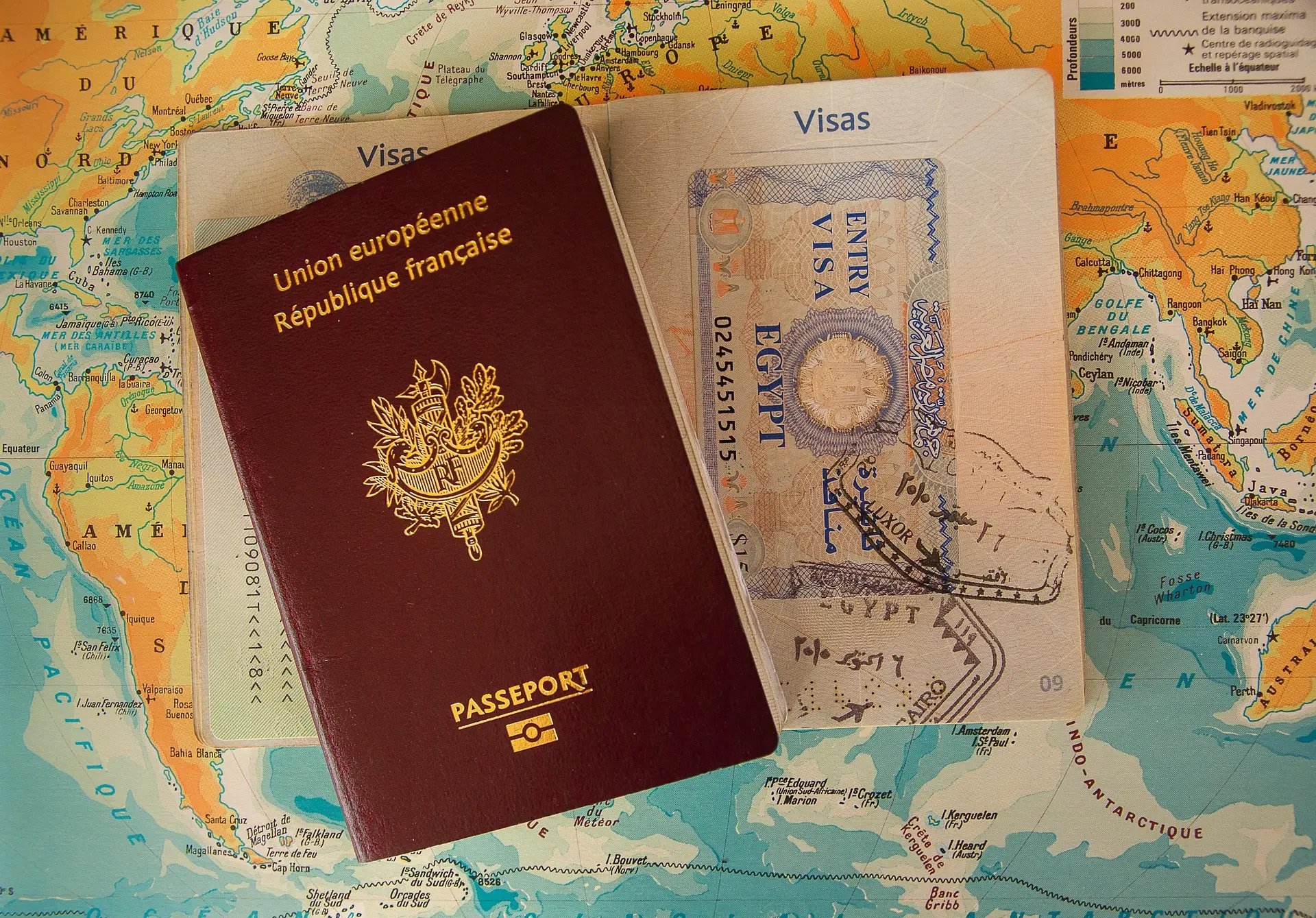
The Physical and Emotional Reality of the Interview Room
This is the part that almost no preparation guide addresses properly and that genuinely surprised me, which is how different the physical experience of the interview is from how you imagine it while preparing at home.
Many visa interview settings, particularly at busy consulates or visa application centres, are not private one on one conversations in a quiet room. They often happen at counters or windows with other applicants being processed nearby, sometimes with noise, queuing and a general sense of being processed quickly rather than having a considered conversation. This environment can feel rushed and impersonal in a way that does not match the mental image most people have while preparing.
The interview itself is often genuinely brief, sometimes just a few minutes, which can feel disorienting if you were expecting a longer, more thorough conversation. People sometimes leave feeling like they did not get to properly explain their situation, when in reality the brevity is simply how the process works for many visa categories and is not necessarily a negative sign.
Nervousness in this environment is completely normal and visa officers, who interview many applicants every day, are generally used to seeing nervous candidates and do not automatically interpret nervousness as a red flag. What tends to matter more is whether your nervous answers remain consistent and coherent rather than whether you appear calm.
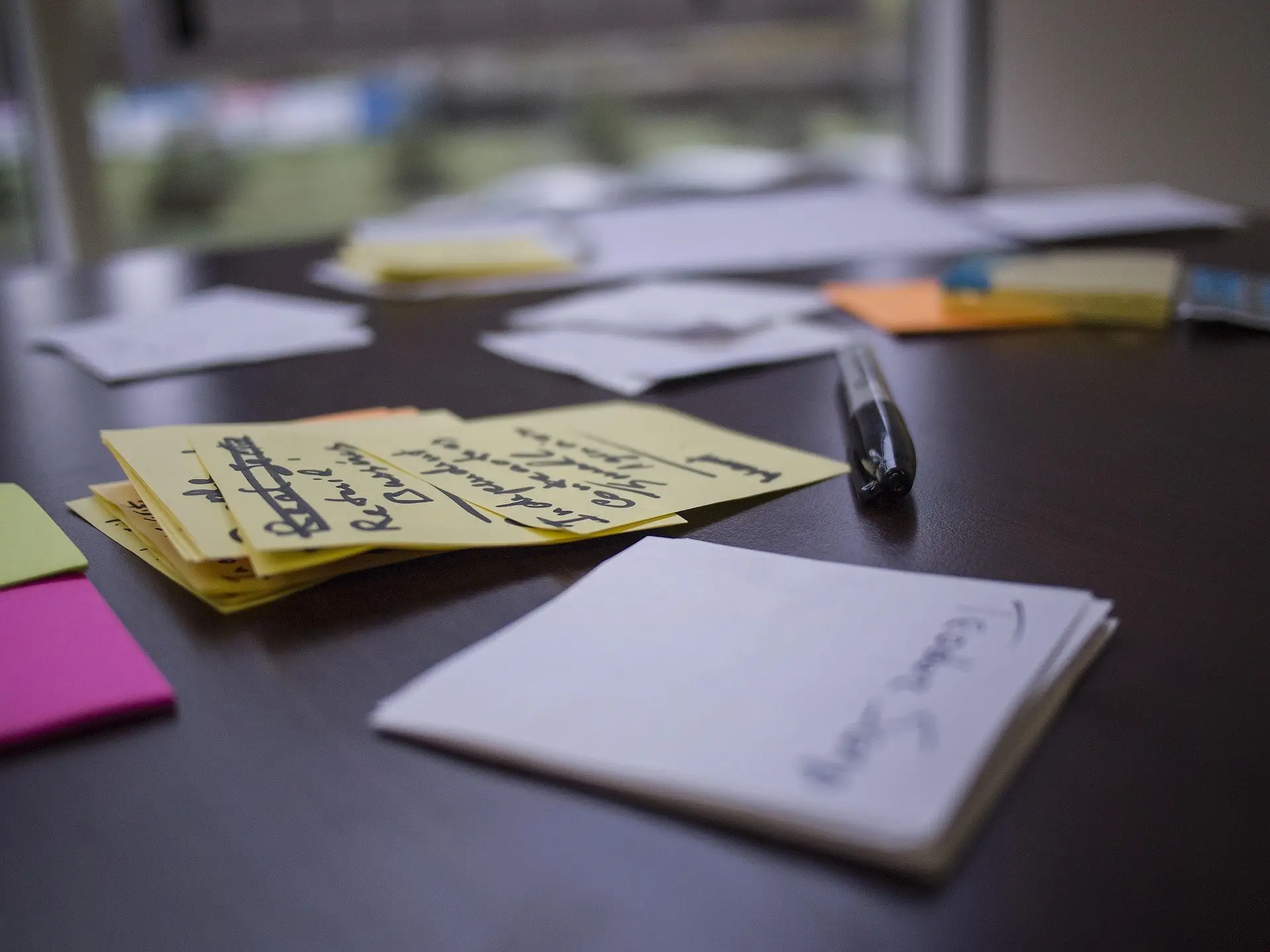
What to Actually Bring and How to Organise It
Beyond the standard advice to bring your documents, the practical organisation of what you carry into the interview genuinely affects how the interaction goes.
Having your documents organised in a way that lets you locate any specific item within a few seconds, rather than searching through a disorganised stack while the officer waits, creates a noticeably better impression and reduces your own stress in the moment. A simple folder with clearly labelled sections, even just using sticky tabs or a basic divider system, makes a real practical difference.
Bringing more documentation than the strict minimum required is generally worthwhile for visit and short term visas where ties to home country and financial credibility are being assessed, since having additional supporting evidence readily available if a specific question arises gives you the ability to substantiate your answers immediately rather than just verbally asserting something. If you are not sure what additional documentation genuinely strengthens an application beyond the basic checklist, Your Visa Application Is Probably Missing These Things and You Do Not Even Know It covers exactly this gap between the minimum checklist and what actually builds a strong case, and most of that same logic applies directly to what you should have ready to reference during the interview itself.
What Happens If the Interview Does Not Go Well
Sometimes despite genuine preparation an interview does not go as smoothly as hoped, whether due to an unexpected question, a moment of genuine confusion, or simply nerves affecting how clearly you communicated something true.
It is worth knowing that a single difficult moment in an interview does not automatically determine the outcome. Officers are generally assessing the overall pattern of your application and your responses rather than making a decision based on one isolated stumble. If you recover and continue answering honestly and consistently, a rough patch early in the conversation does not necessarily define the result.
If the outcome is still a refusal despite reasonable preparation, that outcome is genuinely useful information rather than simply a closed door. Visa Rejection Is Not the End and Here Is Exactly How to Come Back Stronger the Second Time covers exactly how to read a refusal properly and use it to build a genuinely stronger second application, which is directly relevant if your interview experience reveals specific gaps or concerns that the officer raised but that you were not fully able to address in the moment.
The Mindset That Actually Helps Going In
After going through this process myself and helping several people prepare for their own visa interviews since, the mindset shift that genuinely helps most is moving away from thinking of the interview as a performance to pass and toward thinking of it as a conversation where you are simply and honestly explaining your genuine situation to someone whose job is to understand it accurately.
This sounds like a small reframe but it changes how you prepare. Instead of memorising answers to deliver, you spend your preparation time genuinely understanding every part of your own application well enough to discuss it naturally from any angle. Instead of trying to appear a certain way, you focus on being clearly and consistently honest, which is far easier to sustain under unexpected questioning than any rehearsed performance.
The visa interview is genuinely unpredictable in its specific questions and genuinely brief in most cases. What it consistently rewards is honest, specific, consistent communication from someone who knows their own situation thoroughly, which is something you can actually prepare for regardless of which specific questions come up on the day.
If you are preparing for the interview stage as part of a broader application you are still building, understanding the full picture of what makes an application strong from the documentation stage through to the interview itself genuinely changes how confident you feel walking into that room, and that confidence, built on genuine preparation rather than a memorised script, comes through naturally in how you answer whatever question actually gets asked.