Two years ago I was waking up at 6:30 every morning, ironing clothes I did not want to wear, sitting in traffic for 45 minutes each way, and spending eight hours in a building that smelled like recycled air and someone else’s lunch.
I was not miserable exactly. But I was tired. Tired in that specific way where Sunday evenings feel heavy because Monday is coming and the whole cycle starts again.
Then I made the switch to remote work. And I want to be honest with you right from the start — the first few weeks were not some magical transformation. It was actually kind of rough. But two years later, sitting at my own desk, in my own space, working on my own schedule? I would genuinely have to be paid an extraordinary amount of money to go back to a traditional office full time.
Here is everything I learned, including the parts that surprised me and the mistakes I made that I really wish someone had warned me about.
Why I Finally Made the Switch
I had been curious about remote work for a while but I kept telling myself the same things most people tell themselves. That it would be too isolating. That I would not be productive at home. That real career growth only happens when you are visible in an office.
What finally pushed me was a conversation with a friend who had been working remotely for about a year at that point. He was not some freelance guru. He had a regular full time job, a real salary, proper benefits and he was doing all of it from a spare bedroom in his apartment. He told me something I have never forgotten. He said the office was not making him more productive. It was just making him more observed.
That hit differently than I expected.
So I started looking. Not just at freelance platforms but at actual full time remote positions with real companies. And within about three months I had made the switch.
The First Month Was Honestly Hard
I want to be upfront about this because most remote work content skips straight to how wonderful everything is and that is not fair to people who are just starting out.
My first month working from home was disorienting. The structure I had always relied on, getting dressed, commuting, sitting at a specific desk at a specific time, was suddenly gone. And without that structure I spent the first two weeks feeling oddly unmoored even though I was technically free.
I would start work later than I meant to. I would get distracted by things around the house. By midday I sometimes felt weirdly guilty even when I had already done solid work because there was no visible proof of it the way there would have been in an office.
The biggest mistake I made in that first month was trying to replicate the office experience at home. I was keeping rigid 9 to 5 hours even when that made no sense for my actual work rhythm. I was responding to every message instantly because I felt like I had to prove I was online and working. And I was not taking proper breaks because breaks felt like cheating somehow.
All of that was wrong. And once I stopped doing those things the whole experience shifted.

What Actually Makes Remote Work Work
The single biggest thing that changed everything for me was building a real routine that matched how I actually work rather than how an office expected me to work.
I am genuinely sharper in the mornings. So now I protect my mornings for focused deep work. No meetings before 11am if I can help it. No checking email first thing. I do the work that requires real thinking before I do anything else.
Afternoons I use for calls, emails, lighter tasks and planning. This is just how my brain works and working remotely finally let me structure my day around that reality instead of fighting against it.
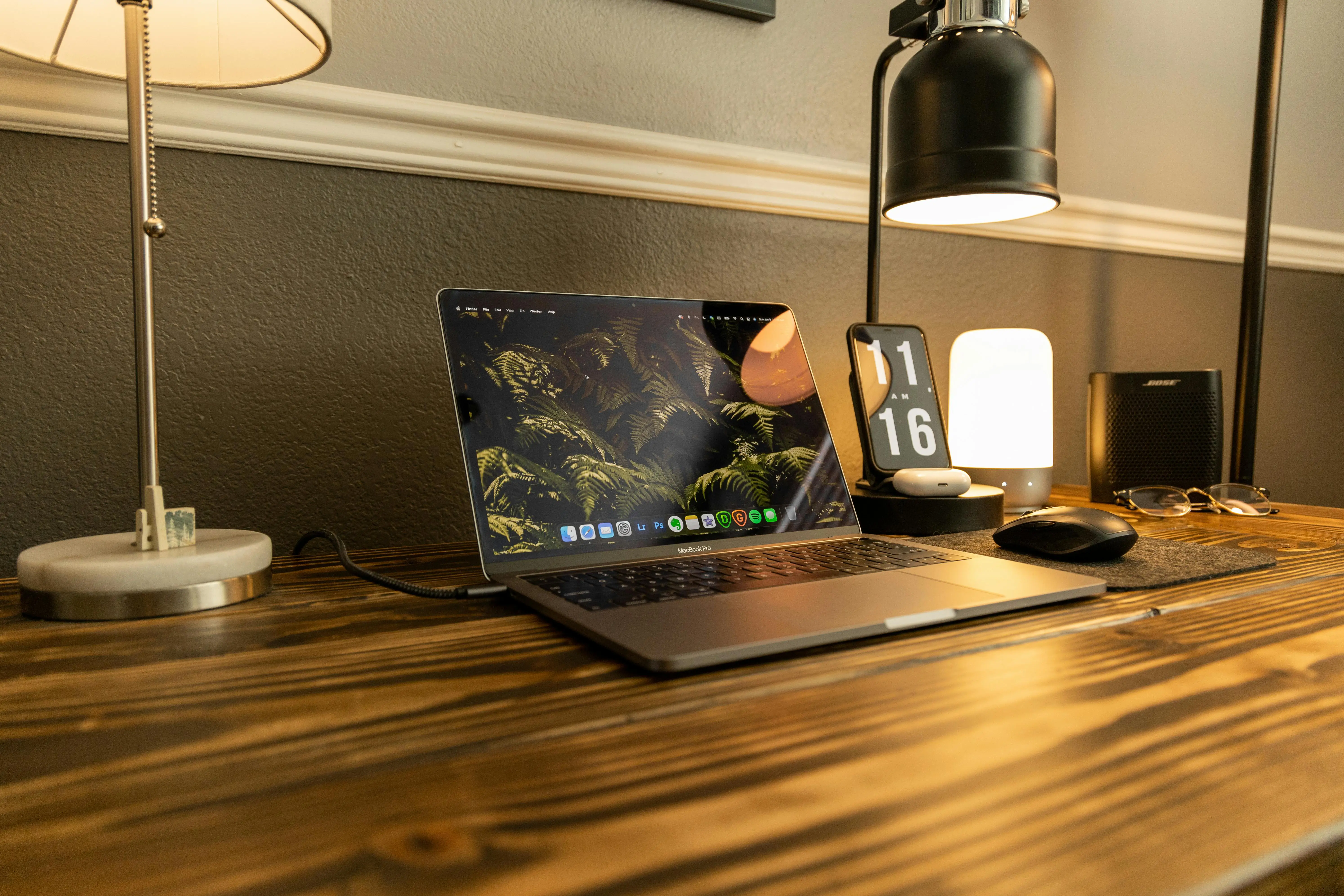
The other thing that made a massive difference was having a dedicated workspace. Not a home office in the Pinterest sense. Just a specific spot that is only for work. When I sit there I am working. When I leave it I am not. That physical boundary does something real to your brain and your ability to switch off at the end of the day.
The Tools That Keep Me Functional
Over two years I have tested a lot of things and settled on a fairly simple setup that actually works.
For communication I use Slack for team messaging and Zoom for video calls. Nothing revolutionary there but they work and most remote companies already use them so there is no friction.
For staying organised I use Notion. I keep my task lists, project notes, weekly planning and reference documents all in one place. I tried Trello and Asana before this and they were fine but Notion works better for how my brain organises information.
For focus I use a simple Pomodoro timer. Twenty five minutes of focused work, five minute break, repeat. It sounds almost too simple but it genuinely prevents the thing that kills remote productivity which is sitting at your desk for four hours while actually concentrating for maybe forty minutes of that.
For internet reliability I invested in a decent router and I keep a mobile hotspot as backup. Connectivity problems are the one thing that can genuinely derail a remote work day and having a backup costs very little but saves a lot of stress.
How I Actually Found My Remote Job
This is the part a lot of people ask me about so I want to be specific here.
I did not find my remote job on Fiverr or Upwork. Those platforms are fine for freelance work but I wanted a full time employed position with stability and benefits. The platforms that actually helped me find that were LinkedIn with the remote filter turned on, We Work Remotely, and Remote.co.
We Work Remotely in particular is underused by a lot of job seekers. It is specifically built for remote positions and the quality of listings there is genuinely good. Companies that post there are already remote first which means they have the infrastructure and culture in place. You are not joining a company that is reluctantly tolerating remote work.
When I applied I made sure my CV and cover letter specifically addressed remote work. I mentioned the tools I was comfortable with, how I managed my own schedule and communicated across time zones, and how I stayed organised without direct supervision. Remote employers are not just hiring for skills. They are hiring for someone who can work independently without needing constant management.
That framing made a noticeable difference in how quickly I started getting responses.
The Things Nobody Warns You About
Remote work has real advantages that I genuinely love. But it also has some things that took me by surprise and that I think are worth being honest about.
The loneliness is real. Not every day and not cripplingly so but there are stretches, especially in winter, where you realise you have barely spoken to another person outside of video calls for days. I deal with this by making sure I leave the house at least once a day for something that is not work related. A walk, a coffee shop, anything. It sounds small but it matters more than people expect.
Career visibility requires more intentional effort when you are remote. In an office people notice when you do good work just by being around you. Remote work means you have to communicate your contributions more explicitly. I started sending a short weekly update to my manager every Friday summarising what I had worked on and what was coming next. It takes ten minutes and it keeps me visible in a way that working quietly in the background does not.
The boundary between work and life can genuinely blur if you are not careful. Because your home is also your office there is always the temptation to do just a little more after hours. I have a hard stop time now and I actually close my laptop and put it away. Physical out of sight helps mental out of mind.
Is Remote Work Right for Everyone
Honestly, no. And I think it is worth saying that clearly.
Some people genuinely thrive on the energy of an office environment. The social interaction, the spontaneous conversations, the clear separation between work space and home space. If that is you remote work might feel like isolation rather than freedom and that is a completely valid experience.
Remote work also requires a level of self discipline and honest self awareness about how you work that not everyone has developed yet. It is not that those people cannot do it. It is that the transition takes more deliberate effort than most remote work content admits.
If you are someone who struggles to stay focused without external accountability remote work is not going to fix that. You need to build those structures yourself first and then remote work becomes genuinely freeing rather than overwhelming.
What Two Years Has Actually Taught Me
The commute time I got back is the obvious win. Two hours a day adds up to roughly 500 hours a year. That is time I now spend on things that actually matter to me.
But the less obvious win is something harder to quantify. It is the feeling of being trusted to manage your own time and deliver your own results without someone looking over your shoulder. That trust changes how you relate to your work. It makes you more invested in the outcome rather than just the appearance of effort.
I am a better professional now than I was when I was in an office. Not because remote work is magic but because it forced me to get genuinely organised, communicate more clearly and take real ownership of my output in a way that office environments never required of me.
If you are on the fence about making the switch my honest advice is this. Start by finding one genuine remote opportunity, whether full time or part time, and actually try it for three months before you decide. Give yourself time to get past that disorienting first month and find your rhythm.
The first month might be harder than you expect. Everything after that has the potential to be significantly better than what you left behind.

Where to Start Looking for Remote Jobs Right Now
We Work Remotely: Best for full time remote positions across tech, marketing, writing and customer support
Remote.co: Strong listings especially for customer service, project management and HR roles
LinkedIn: Use the remote filter and set job alerts for your specific role title
FlexJobs: Paid subscription but every listing is vetted which saves a lot of time filtering out scams
Himalayas: Newer platform but growing fast with high quality remote listings
AngelList: Good for remote roles at startups if that environment suits you
Start with We Work Remotely and LinkedIn. Get your profile updated to reflect your remote work readiness. Apply to roles that are explicitly remote first rather than companies that are just tolerating it temporarily.
The opportunities are genuinely there. You just have to look in the right places.